

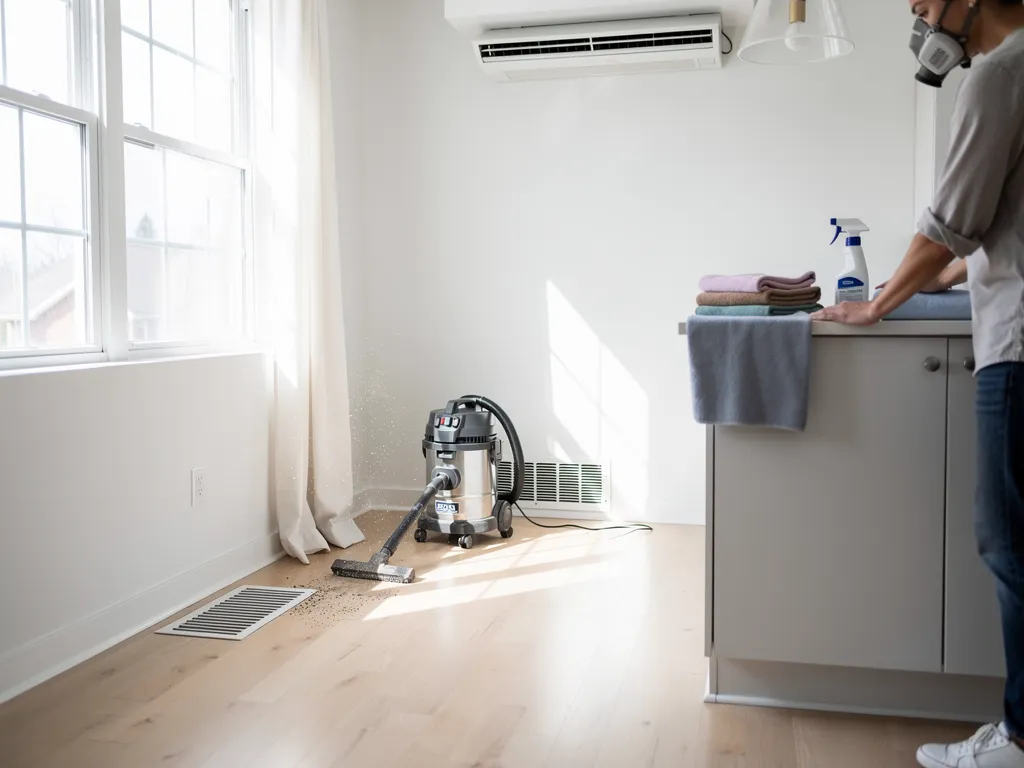
After renovation, your home can harbor hidden dangers like fine silica dust, VOCs from paint, adhesive residue, and mold-friendly debris. These aren’t just messes — they’re genuine health hazards that can cause respiratory issues, headaches, and long-term organ damage. Standard cleaning won’t cut it. You need a thorough post-renovation deep clean before you unpack a single box. Stick around to discover exactly what it takes to make your home truly safe.
Key Takeaways
Fine dust, VOCs, and chemical residues from renovations pose serious health risks, so deep cleaning is essential before you move in.
HEPA vacuums and microfiber cloths effectively remove fine silica particles from vents, carpets, and hard-to-reach surfaces.
Proper ventilation during cleaning helps eliminate lingering paint fumes and VOCs that cause headaches and organ damage.
Thoroughly clean all surfaces, including walls, floors, cabinets, and air vents, to remove renovation residue.
Before moving in, test air quality, inspect vents, and run a white-glove test to confirm it’s safe.
What Does Renovation Work Actually Leave Behind?
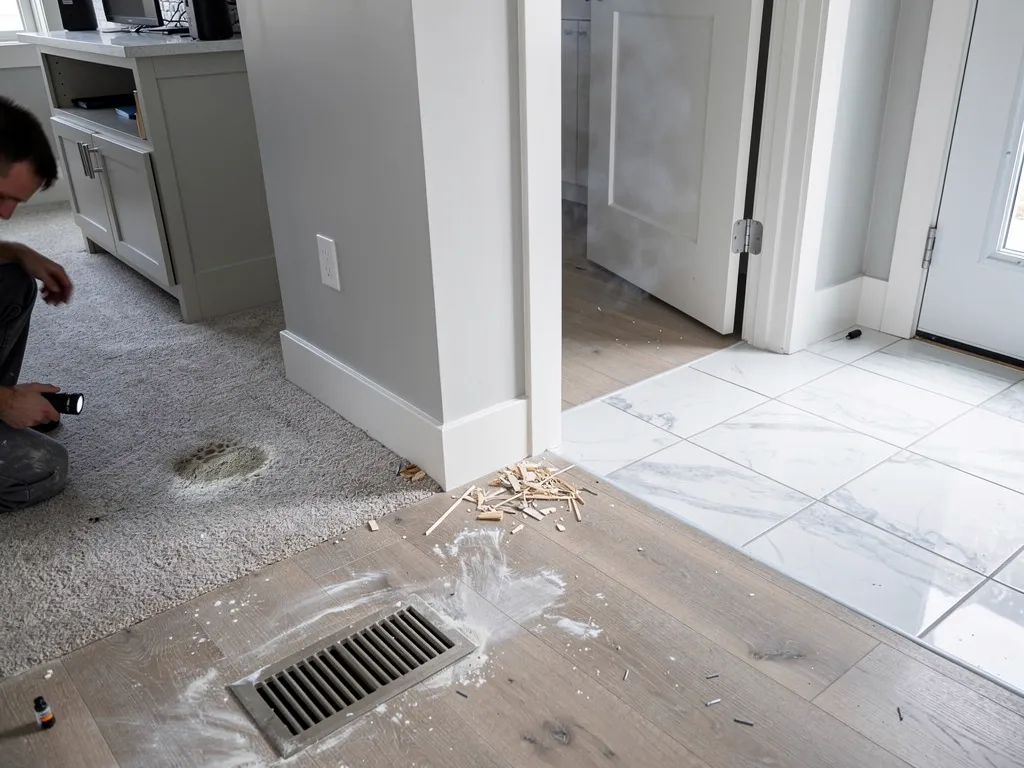
Renovation work leaves behind far more than the visible dust you can wipe off a countertop. Fine silica particles from drywall sanding settle into HVAC vents, carpet fibers, and cabinet interiors.
Paint fumes and VOCs linger in poorly ventilated rooms long after the brushes dry. Adhesive residue sticks to floors and surfaces contractors never bothered cleaning.
Wood shavings and metal filings hide in corners. Grout haze coats tile surfaces. Chemical residue from strippers and sealants coats floors.
You’re not just dealing with mess—you’re dealing with materials that, if left unaddressed, affect your air quality, surfaces, and health.
Why Is Post-Renovation Deep Cleaning Non-Negotiable for Your Health?
What’s left behind after a renovation isn’t just an eyesore—it’s a genuine health risk. Fine dust particles penetrate deep into your lungs, triggering respiratory issues, allergies, and long-term conditions like silicosis.
VOCs from fresh paint and adhesives linger in the air, causing headaches, dizziness, and organ damage with prolonged exposure. Construction debris harbors mold spores that multiply rapidly once you move in.
You can’t eliminate these hazards with a standard sweep or mop. Post-renovation deep cleaning removes contaminants at every level—surfaces, air, and hidden corners—making your space genuinely safe before you settle in.
How Do You Prepare Your Home for a Post-Renovation Deep Clean?
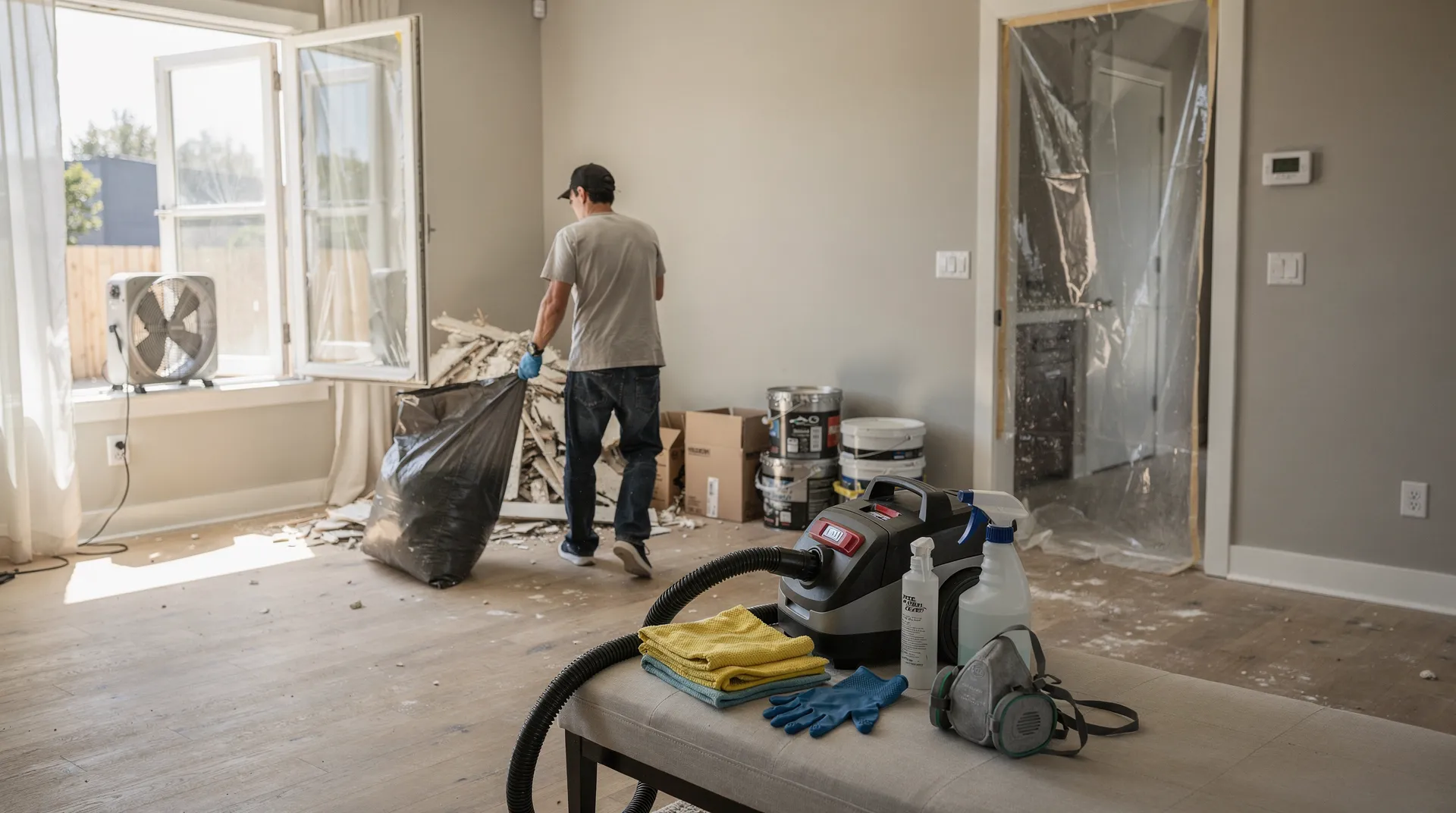
Before you grab a mop or vacuum, set the stage—skipping this step wastes time and risks spreading contaminants.
Preparation makes the actual cleaning faster and safer:
Remove debris — Clear leftover materials, scraps, and packaging from every room.
Ventilate thoroughly — Open windows and run fans to push out dust-laden air.
Seal unaffected areas — Use plastic sheeting to prevent cross-contamination.
Gather proper supplies — HEPA vacuums, microfiber cloths, and respirators aren’t optional.
Once you complete these steps, you’re ready to clean effectively without redistributing the hazards you’re trying to eliminate.
What Does a Post-Renovation Deep Clean Actually Cover?
A post-renovation deep clean goes far beyond a standard tidy-up—it targets every surface, crevice, and system that construction activity touched or compromised.
You’ll need to address dust-coated walls, ceilings, and baseboards, plus scrub floors free of adhesive residue, grout haze, and dried compound.
Wipe windows inside and out, including tracks and sills.
Air vents and filters require clearing of accumulated construction dust.
We degrease and polish cabinets, countertops, and fixtures.
Light fittings, switches, and outlets are carefully wiped down.
Every room receives attention—bathrooms, kitchens, and living spaces alike—leaving your home genuinely clean and move-in ready.
Should You DIY Your Post-Renovation Clean or Hire Professionals?
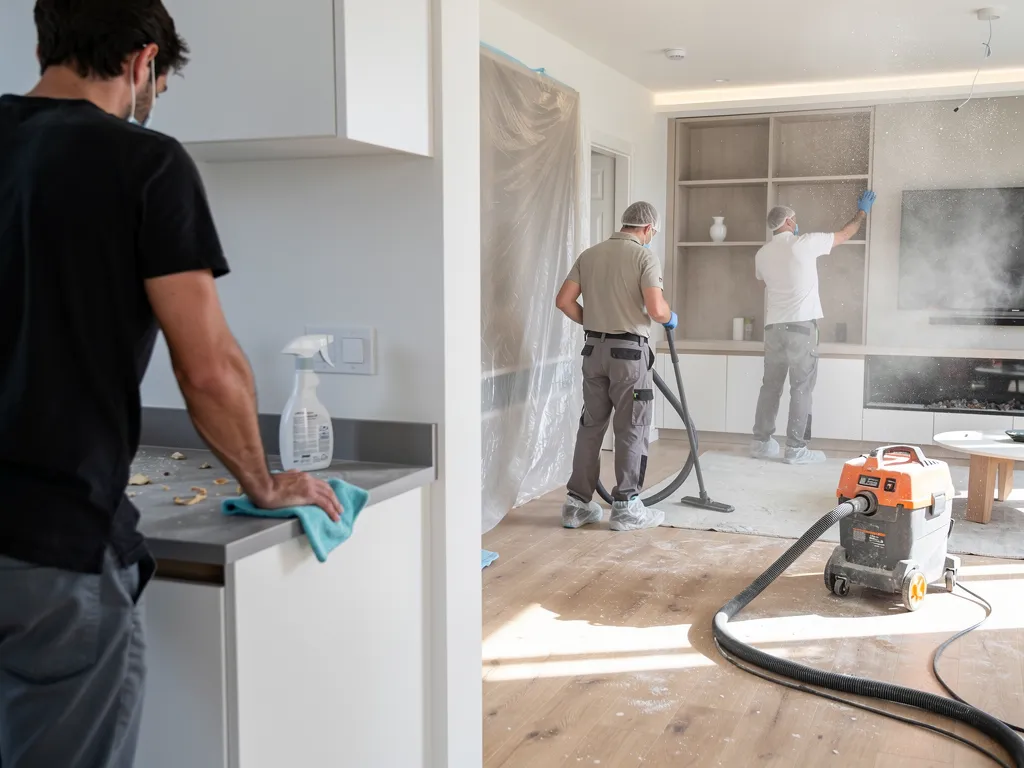
Whether you tackle the post-renovation clean yourself or bring in professionals depends on the project’s scale, your available time, and your tolerance for detail work. For minor touch-ups, DIY works fine. For full renovations, professionals deliver faster, safer, and more thorough results.
Consider these factors:
Scope – Larger projects create hazardous dust that requires specialized equipment.
Time – Professional crews finish in hours what takes you days.
Health risks – Fine particulates and chemical residues demand proper protective gear.
Cost vs. quality – DIY saves money but often misses hidden debris.
Choose wisely before moving in.
How Do You Know Your Home Is Finally Safe to Move Into?
After all the dust has settled — literally — how do you confirm your renovated home is truly ready for you to move back in?
Start by checking air quality; use a monitor to detect VOCs, dust particles, and carbon monoxide.
Inspect every surface for residual dust, especially vents, light fixtures, and corners.
Smell test each room — lingering chemical odors signal incomplete cleaning.
Verify that water runs clear and drains flow freely.
Check that all surfaces feel clean, not gritty.
Once air readings normalize, odors disappear, and surfaces pass a white-glove test, you’re genuinely ready to move in safely.
Frequently Asked Questions
How Long After Renovation Should You Wait Before Deep Cleaning Begins?
You shouldn’t wait long after renovation ends before starting your deep clean.
Ideally, start within 24 to 48 hours after contractors finish their work. This gives dust time to settle, making it easier to clean thoroughly.
Don’t rush to move your belongings in before you’ve scrubbed every surface, vacuumed all debris, and wiped down walls and fixtures to guarantee a truly clean, healthy living space.
Can Post-Renovation Cleaning Damage Newly Installed Surfaces or Finishes?
Yes, post-renovation cleaning can damage new surfaces if you’re not careful.
Avoid harsh chemicals on fresh paint, sealed grout, or newly installed hardwood floors.
Don’t use abrasive scrubbers on delicate finishes like polished stone or laminate.
Always check the manufacturer’s guidelines before applying any cleaner.
Test products on a small, hidden area first to ensure you won’t accidentally strip coatings or discolor surfaces you’ve just paid to install.
What Certifications Should a Professional Post-Renovation Cleaning Company Have?
When hiring a post-renovation cleaning company, look for certifications like IICRC (Institute of Inspection, Cleaning and Restoration Certification) and OSHA safety compliance.
Check if they’re certified in green cleaning practices through organizations like GBAC.
Also confirm they carry proper liability insurance and workers’ compensation.
Membership in ISSA (Worldwide Cleaning Industry Association) signals professionalism and helps ensure they handle your newly renovated space with expertise and care.
How Much Does Professional Post-Renovation Deep Cleaning Typically Cost Homeowners?
You’ll typically pay between $200 and $600 for professional post-renovation deep cleaning, depending on your home’s size and the renovation’s scope.
Larger homes or extensive projects can push costs toward $1,000 or more. Most companies charge $0.10 to $0.50 per square foot.
Heavily contaminated spaces with drywall dust or adhesive residue can also increase your final bill.
Always get multiple quotes before committing to a service.
Are Certain Renovation Types Messier and Harder to Clean Than Others?
Absolutely, certain renovations leave behind far messier cleanup challenges than others.
Drywall work, popcorn ceiling removal, and concrete grinding create the finest, most invasive dust that settles everywhere.
Kitchen and bathroom tile demolition scatters sharp debris and grout particles throughout your space.
Painting projects leave splatter and fumes requiring specialized cleaning.
Structural work involving insulation or asbestos removal demands professional-grade cleaning because those particles pose serious health risks you can’t ignore.
Conclusion
Your newly renovated home deserves more than a quick sweep before you move in. You’ve invested time and money into creating something beautiful, so don’t let hidden dust, chemical residues, and construction debris undo that effort. A thorough post-renovation deep clean protects your health, preserves your finishes, and gives you the fresh start you deserve. Don’t skip this critical step — it’s the difference between truly moving in and just moving your problems around.