

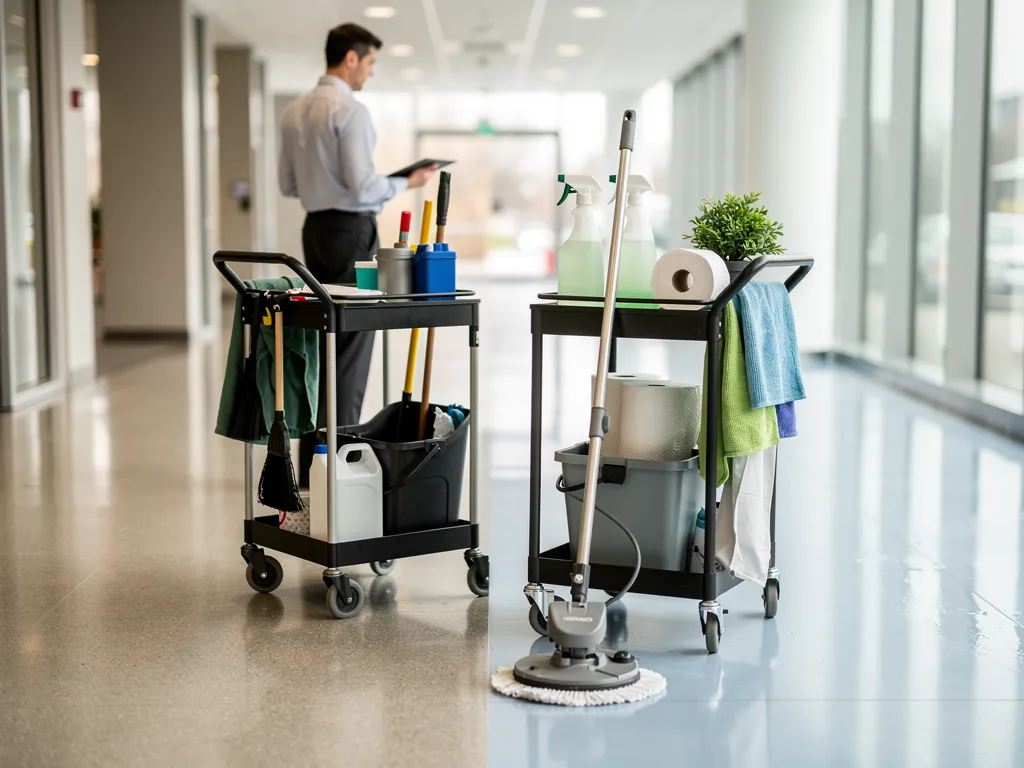
Switching to eco-friendly commercial cleaning starts with asking potential providers for certifications like Green Seal or EPA Safer Choice. You’ll want to verify their product lists independently and run a trial clean before committing. When you’re ready to shift, overlap your suppliers briefly and phase the changeover one zone at a time to avoid disruption. The benefits — better air quality, fewer sick days, and manageable costs — become clear once you see the full picture.
Key Takeaways
We researched certified eco-friendly cleaning services by requesting Green Seal or EPA Safer Choice credentials and independently verifying their product lists.
We overlapped our supplier changeover period, keeping the current provider active while gradually introducing the new eco-friendly team.
We used a phased approach, starting with one floor to minimize disruption and identify issues before full implementation.
We assigned an internal contact to streamline communication and quickly resolve any problems during the transition.
We absorbed an initial 10–20% cost increase, offset by fewer staff sick days and reduced chemical liability concerns.
Why We Finally Ditched Conventional Cleaning Products
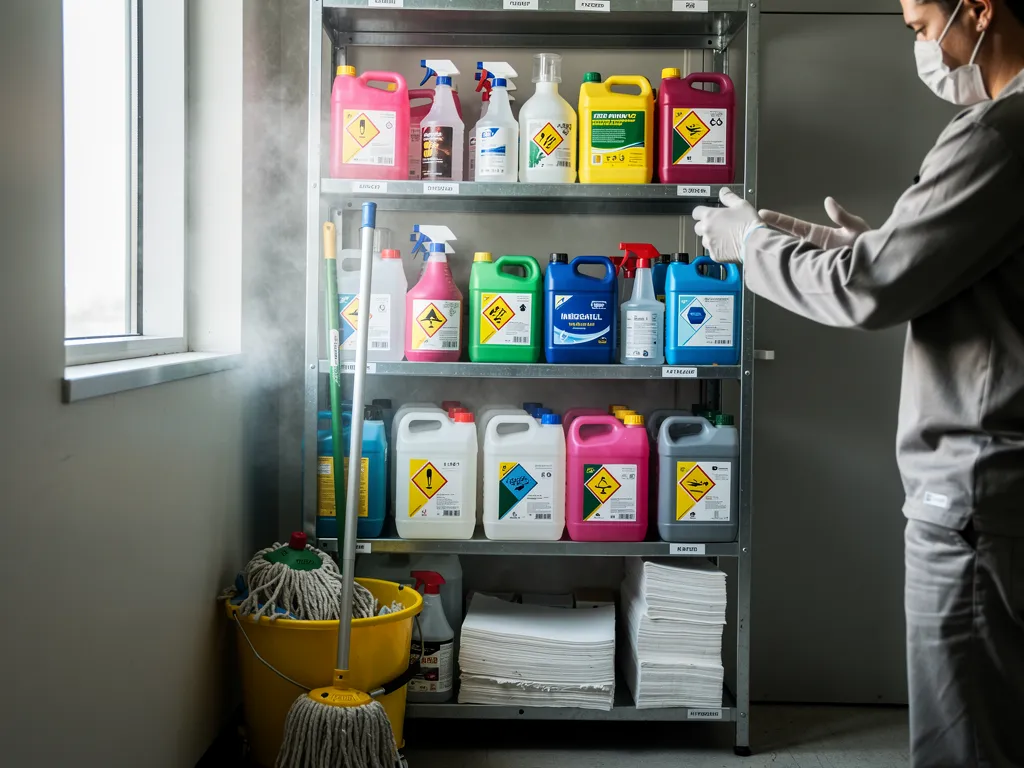
Conventional cleaning products might seem like the obvious choice for a commercial space—they’re widely available, familiar, and aggressively marketed as effective.
But once you start reading ingredient labels, the reality shifts. Many contain volatile organic compounds, harsh surfactants, and synthetic fragrances that irritate employees, trigger allergies, and degrade indoor air quality.
You’re also paying hidden costs—ventilation requirements, chemical storage compliance, and employee health impacts. Regulatory pressure around chemical disposal adds further liability.
When you weigh actual performance against these risks, conventional products stop looking like the practical choice. That’s when switching to eco-friendly alternatives stops feeling optional.
How We Found the Right Eco-Friendly Commercial Cleaning Service
Once you’ve decided to switch, how do you find a commercial cleaning service that backs up its eco-friendly claims?
Start by asking for third-party certifications like Green Seal or EPA Safer Choice. Don’t just take their word for it—request a full list of the products they use and verify those products independently.
Ask whether their staff receives proper training in sustainable practices. Check reviews from other businesses, not just testimonials on their website.
Finally, request a trial clean before signing any contract. You’ll quickly see whether their actions match their green promises.
Switching Suppliers and Schedules Without Disrupting Our Operations
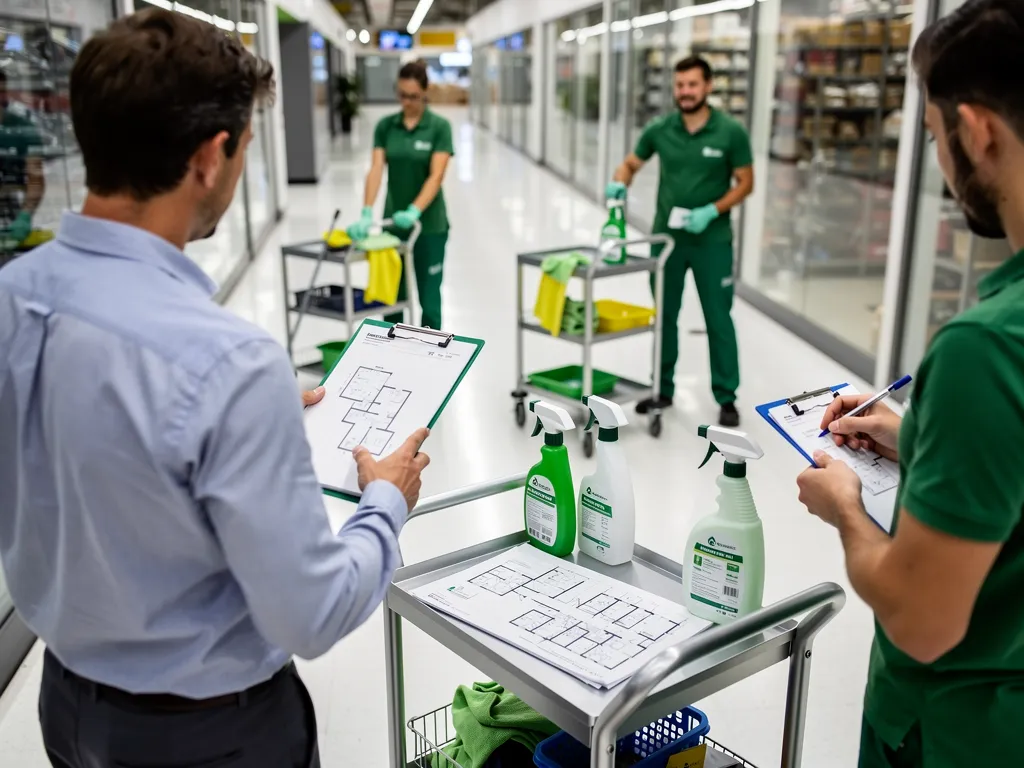
Switching to a new cleaning supplier doesn’t have to throw your daily operations into chaos. Start by overlapping your changeover period — keep your current supplier active while onboarding the new one. This gives your team time to adjust without service gaps.
Reschedule cleaning during off-peak hours to minimize disruption. Share your facility layout, access protocols, and priority areas upfront so the new team can hit the ground running.
Assign one internal contact to manage communication and address issues quickly. A phased approach — starting with one floor or zone — lets you catch problems before they affect your entire workspace.
What Eco-Friendly Cleaning Did to Our Air Quality and Staff Well-Being
The shift to eco-friendly cleaning products can do more for your workplace than you might expect.
Traditional cleaners release volatile organic compounds that linger in the air long after cleaning crews leave. Once you switch, you’ll likely notice fewer headaches, less eye irritation, and reduced respiratory complaints among staff.
These aren’t minor perks—they directly affect productivity and absenteeism. Your team spends hours breathing indoor air, so its quality matters.
Eco-friendly formulas skip harsh solvents without sacrificing cleanliness. The result is a healthier environment your employees can feel, making the change worth the logistical effort.
How Much More Does Eco-Friendly Commercial Cleaning Cost: And Is It Worth It?
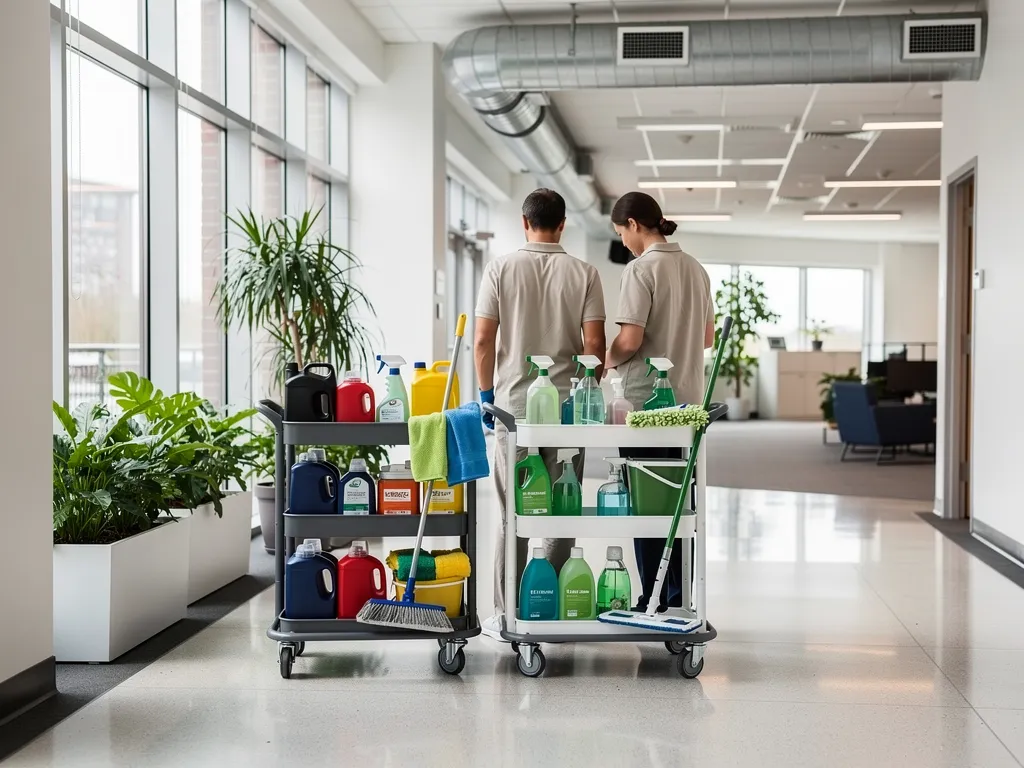
How much more will you actually pay to go green with your commercial cleaning? Expect to spend roughly 10–20% more upfront on eco-friendly products and certified services.
However, you’ll offset those costs through reduced staff sick days, lower ventilation expenses, and fewer chemical-related liability concerns.
Many green cleaning contracts also bundle efficiency practices that cut labor hours over time.
When you stack those savings against the premium, the gap shrinks considerably within the first year.
It’s not a free switch, but for most businesses, the long-term financial and human return makes it a defensible investment.
Frequently Asked Questions
Are Eco-Friendly Cleaning Products Effective Against Tough Industrial Stains and Bacteria?
Yes, eco-friendly cleaning products can absolutely tackle tough industrial stains and bacteria effectively.
Many green formulas now use plant-based enzymes and natural antimicrobials that match the performance of conventional cleaners. They’ll break down grease, eliminate pathogens, and remove stubborn residues without harsh chemicals.
Choose products certified by recognized environmental standards, like EPA Safer Choice, to ensure you get both powerful cleaning results and genuine environmental benefits.
Do Eco-Friendly Cleaning Certifications Actually Guarantee Environmental Safety Standards?
Eco-friendly certifications don’t guarantee absolute environmental safety, but they do set meaningful benchmarks you can trust.
When you see certifications like Green Seal or EPA Safer Choice, you’re looking at products that’ve passed rigorous testing for toxicity, biodegradability, and ingredient transparency.
However, you shouldn’t rely solely on labels. Research the certifying organization’s standards, as some certifications have stricter requirements than others.
Always dig deeper before making your final purchasing decisions.
How Do We Handle Waste Disposal From Eco-Friendly Cleaning Supplies?
First, separate your cleaning waste into biodegradable and recyclable categories.
Pour diluted, water-soluble solutions down designated drains, since eco-friendly formulas are typically safe for wastewater systems.
Recycle empty containers through your local program or the manufacturer’s take-back program.
Also keep concentrated chemicals in their original containers for hazardous waste collection events.
Always check your product labels, as they’ll specify each manufacturer’s recommended disposal method.
Can Eco-Friendly Cleaning Products Be Safely Stored Alongside Our Existing Supplies?
Yes, you can safely store eco-friendly cleaning products alongside your existing supplies, but take a few precautions.
Keep them clearly labeled to avoid mix-ups, and store them in a cool, dry area away from direct sunlight.
Check compatibility warnings on each product, as some conventional chemicals can react with natural ingredients.
Also ensure proper ventilation in your storage area to maintain product integrity and staff safety.
What Happens if Eco-Friendly Products Fail to Meet Our Cleaning Standards?
If eco-friendly products don’t meet your cleaning standards, you’ve got options.
First, try adjusting the concentration or application method, since proper use often makes a big difference.
You can also contact the supplier for guidance or request a product swap.
If issues persist, you don’t have to abandon green cleaning entirely—you can mix certified eco-products with higher-performing alternatives until you find the right balance for your facility’s needs.
Conclusion
Switching to eco-friendly commercial cleaning isn’t as complicated or costly as you might think. Once you’ve found the right cleaning service, aligned your schedules, and committed to healthier products, the benefits speak for themselves. Your air quality improves, your staff feels better, and your business reflects values that actually matter. You don’t have to choose between a clean workspace and a cleaner planet — you can have both.