

Your monthly recurring cleaning service costs depend on factors such as your home’s size, condition, and the number of rooms included. The number of occupants and pets you have also plays a big role. How often your cleaner visits, what products they use, and any add-ons you request all affect your bill. Local labor rates and a company’s experience level matter too. Keep going to uncover exactly how each factor impacts what you’ll pay.
Key Takeaways
- Larger homes with more square footage require more labor, directly increasing monthly recurring cleaning service costs.
- Initial deep cleans cost more than standard maintenance visits because built-up grime requires extra effort.
- Homes with pets or more occupants generate additional mess, raising cleaning complexity and overall pricing.
- Service frequency affects monthly costs; more frequent visits typically lower the individual per-visit rate.
- Add-ons like oven cleaning, eco-friendly products, or window washing can significantly increase total monthly bills.
Your Home’s Size and Square Footage

One of the biggest factors affecting your monthly recurring cleaning service costs is your home’s size and square footage. The larger your home, the more time and labor cleaners need to complete the job.
A studio apartment typically costs far less to clean than a four-bedroom house. Most cleaning companies charge either a flat rate based on square footage or an hourly rate that reflects your home’s size.
You’ll also pay more if your home has multiple floors or complex layouts. Knowing your exact square footage helps you get accurate quotes and avoid unexpected charges on your monthly bill.
Your Home’s Current Condition
Beyond square footage, your home’s current condition plays a major role in what you’ll pay each month.
If your home hasn’t been professionally cleaned before, cleaners will spend considerably more time removing built-up grime, grease, and dust. That initial deep clean typically costs more than standard recurring visits.
Once your home reaches a baseline cleanliness, monthly maintenance becomes faster and cheaper.
However, if you have pets, young children, or high foot traffic, expect higher rates. Cleaners account for pet hair, muddy floors, and frequent messes when pricing your service.
Keeping clutter to a minimum also reduces labor time and lowers your monthly costs.
Standard Maintenance Clean vs. Deep Clean Pricing
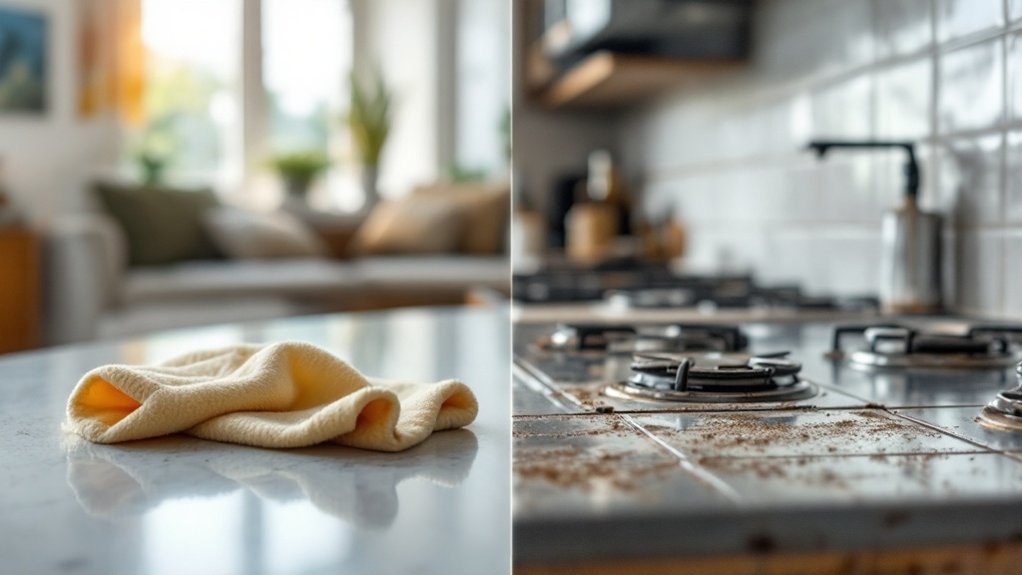
Understanding your home’s current condition leads directly to another factor that shapes your monthly bill: whether you’re scheduling a standard maintenance clean or a deep clean.
Standard cleans maintain an already-clean home, costing less per visit. Deep cleans tackle buildup, take longer, and cost considerably more. Most services require an initial deep clean before starting recurring visits.
| Clean Type | Frequency | Avg. Cost |
|---|---|---|
| Deep Clean | One-time/Initial | $200–$400 |
| Standard Clean | Monthly | $100–$200 |
| Standard Clean | Bi-weekly | $80–$150 |
Choosing bi-weekly standard cleans often prevents the need for costly deep cleans down the road.
How Many Rooms Are Included in Your Service
How many rooms you include in your service plan directly affects your monthly cost. Most cleaning companies price by the room, so adding a bedroom, bathroom, or bonus room increases your monthly rate.
You’ll typically pay less per room when bundling more spaces into a single recurring plan. Before signing a contract, audit your home honestly. If you rarely use a guest room, exclude it and save money.
However, don’t overlook high-traffic areas like kitchens and bathrooms, as skipping them often leads to buildup that’s more costly to address later.
How Frequently Your Cleaning Service Visits

Visit frequency is one of the strongest drivers of your monthly recurring cost. The more often your cleaner visits, the higher your monthly total—but your per-visit rate typically drops as the frequency increases. You’re fundamentally trading a lower unit cost for a higher overall spend.
| Visit Frequency | Typical Monthly Cost Range |
|---|---|
| Once a month | $100–$150 |
| Every three weeks | $150–$200 |
| Bi-weekly | $200–$280 |
| Weekly | $320–$480 |
| Twice weekly | $600–$900 |
Choose a schedule that balances cleanliness needs with your budget rather than defaulting to what sounds convenient.
The Number of People and Pets in Your Home
Two factors that directly affect your cleaning costs are the number of people and pets living in your home. More occupants mean more mess, more laundry, and more surfaces requiring attention.
Pets add another layer of complexity, contributing fur, dander, and tracked-in dirt. Expect to pay more if your household includes:
- Multiple children who generate clutter and spills
- Dogs or cats that shed heavily or have accidents
- Roommates sharing common areas like kitchens and bathrooms
Your cleaning service will assess these variables and adjust pricing accordingly, ensuring your home receives the appropriate level of attention.
The Products and Equipment Your Cleaner Uses

The products and equipment your cleaner uses can greatly influence your monthly costs. If you prefer eco-friendly or specialty cleaning products, expect to pay more since these cost more than standard supplies.
Some cleaners include their own equipment and products in their pricing, while others charge separately. High-end tools like HEPA-filter vacuums or steam cleaners may add to your bill.
You can reduce costs by supplying your own products, but confirm your cleaner approves. Always discuss product preferences up front so there aren’t any unexpected charges on your monthly invoice.
Add-Ons Like Oven Cleaning and Windows That Cost Extra
Beyond standard cleaning, add-ons like oven cleaning, interior window washing, refrigerator cleaning, and laundry can greatly increase your monthly bill. Each service carries its own price, and they add up quickly if you’re not careful.
Common extras include:
- Oven cleaning: typically $25–$50 per session
- Interior window washing: $4–$8 per window
- Refrigerator cleaning: $15–$40, depending on size
Before scheduling recurring service, review exactly which tasks are included in your base rate.
Request an itemized list, prioritize the add-ons you truly need, and you’ll avoid unexpected charges on your monthly invoice.
Local Labor Costs and Where You Live

Where you live plays a major role in what you’ll pay for recurring cleaning services.
Cleaners in major metropolitan areas like New York or San Francisco charge considerably more than those in rural towns, reflecting higher local wages and living costs.
Your region’s labor market directly influences pricing, since cleaning companies must pay competitive wages to attract workers.
Even within the same state, rates can vary between cities and suburbs.
Before hiring, research average cleaning rates in your area to quickly identify fair pricing and avoid overpaying based on local market standards.
Why Experienced Cleaning Companies Charge More
Experience and reputation come at a price, but they’re often worth it. Established cleaning companies charge more because they deliver consistent, reliable results.
You’re paying for:
- Trained staff who know how to handle different surfaces and materials without causing damage
- Proven systems that guarantee thorough, efficient cleaning every visit
- Accountability through insurance, background checks, and quality guarantees
A newer, cheaper service might cut corners or send untrained workers into your home.
With an experienced company, you’re not just buying a clean house—you’re buying peace of mind and dependable service month after month.
Frequently Asked Questions
Can I Pause My Recurring Cleaning Service Without Losing My Rate?
You can often pause your recurring cleaning service, but it depends on your provider’s policy.
Some companies let you pause temporarily while keeping your locked-in rate, while others may reset your pricing if you skip for too long.
You should contact your cleaning service directly to ask about their pause policy.
To protect your rate, get any pause agreement in writing before making changes to your schedule.
Are Recurring Cleaning Services Tax Deductible for Home-Based Businesses?
If you run a home-based business, you may be able to deduct a portion of your recurring cleaning service costs.
You’ll need to calculate the percentage of your home used exclusively for business, then apply that percentage to your cleaning expenses.
Keep all your receipts and invoices as documentation.
However, you should consult a tax professional since deductibility depends on your specific situation and current IRS guidelines.
Do Cleaning Companies Require Signed Contracts for Monthly Recurring Services?
Many cleaning companies do require you to sign a contract for monthly recurring services, but it’s not universal.
You’ll find that larger, more established companies typically use formal agreements to outline service frequency, pricing, and cancellation policies.
Smaller, independent cleaners may work on a handshake basis.
Before committing, you should carefully review the cancellation clauses, as some companies require 30 days’ notice or charge early termination fees.
Is Tipping Included in Monthly Recurring Cleaning Service Costs?
Tipping isn’t typically included in your monthly recurring cleaning service costs.
You’ll pay a set rate for the service itself, and any tip you give is entirely separate and optional.
However, if you appreciate your cleaner’s work, it’s a thoughtful gesture to tip them directly in cash.
Most clients who tip give around 10-20% per visit, but you’re never obligated to do so.
Can I Customize Which Tasks Are Completed During Each Cleaning Visit?
Yes, you can typically customize which tasks are completed during each cleaning visit!
Most cleaning services let you tailor your plan to fit your specific needs. You can prioritize certain rooms, add deep-cleaning tasks, or skip areas you don’t need cleaned.
Just communicate your preferences directly with your cleaning provider beforehand.
Keep in mind that customizing tasks may affect your monthly recurring costs, especially if you’re adding extra services beyond the standard package.
Conclusion
Now that you know what drives cleaning service costs, you’re better equipped to budget wisely and choose the right plan for your home. Whether it’s your square footage, cleaning frequency, or specialty add-ons, each factor plays a role in your monthly rate. By understanding these elements, you’ll avoid surprises on your bill and make smarter decisions when comparing local cleaning companies.